Lessons from a Grander 2: “Think it carefully, my dear”
“Think it carefully, my dear”
In the previous article I mentioned strategic thinking; in this one I will talk about “structured thinking”, which means to define a (mental) framework for understanding and analysing something, or accumulating knowledge in a certain area. It is not about creating limits; the aim is to give sense to the information we receive. Structured thinking:
| Allows us taking better decisions (not just “guesses”, which will give us more chances of taking a decision that results as we expect);Accelerates learning, by becoming able to build more and deeper relationships;For these same reasons, it favours creativity;Highlights gaps and opportunities, and leverages discovery;Helps identifying potential risks or possible implications. The good news are that there are tools that can help us structuring thinking. The challenge comes from creating habits and knowhow in using them. Let’s see some examples and advices. | In a Roman galley the centurión tells the rowers: I have two news, one is good and one is bad. Which one do you want first?– The good one! The good one first!Julius Caesar is visiting us today and, for this reason, you will have a special breakfast with coffee and toasts.Hurra! And what is the other new?– He is coming to do water skiing… |
We can structure thinking at different levels and for different purposes:
A. STRUCTURING THE PROBLEM / QUESTION / INPUT
It will help understanding it, analysing it, and assuring we cover all aspects related to it.
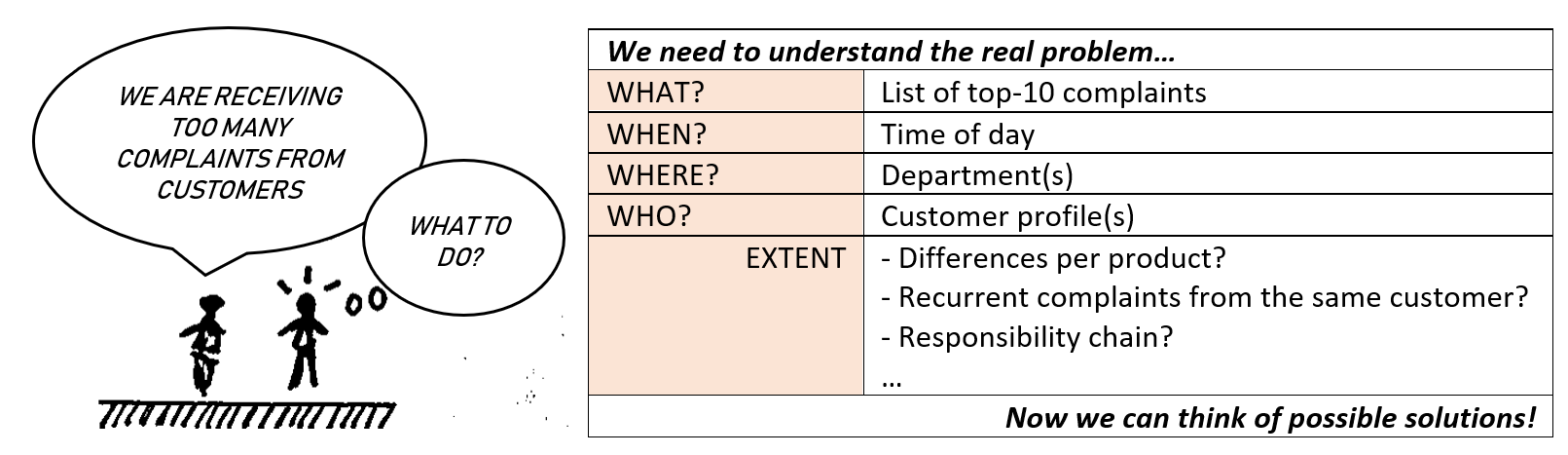
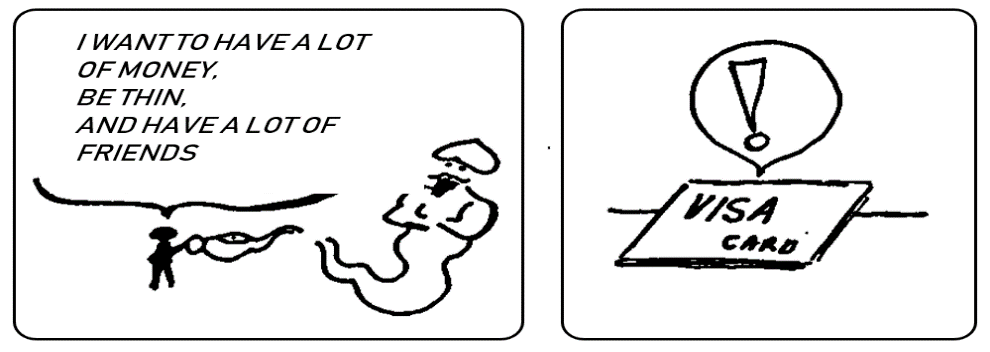
The following is an example on how to do this and the potential it can bring us:
We can structure thinking at different levels and for different purposes:
A. STRUCTURING THE PROBLEM / QUESTION / INPUT
It will help understanding it, analysing it, and assuring we cover all aspects related to it.
The following is an example on how to do this and the potential it can bring us:
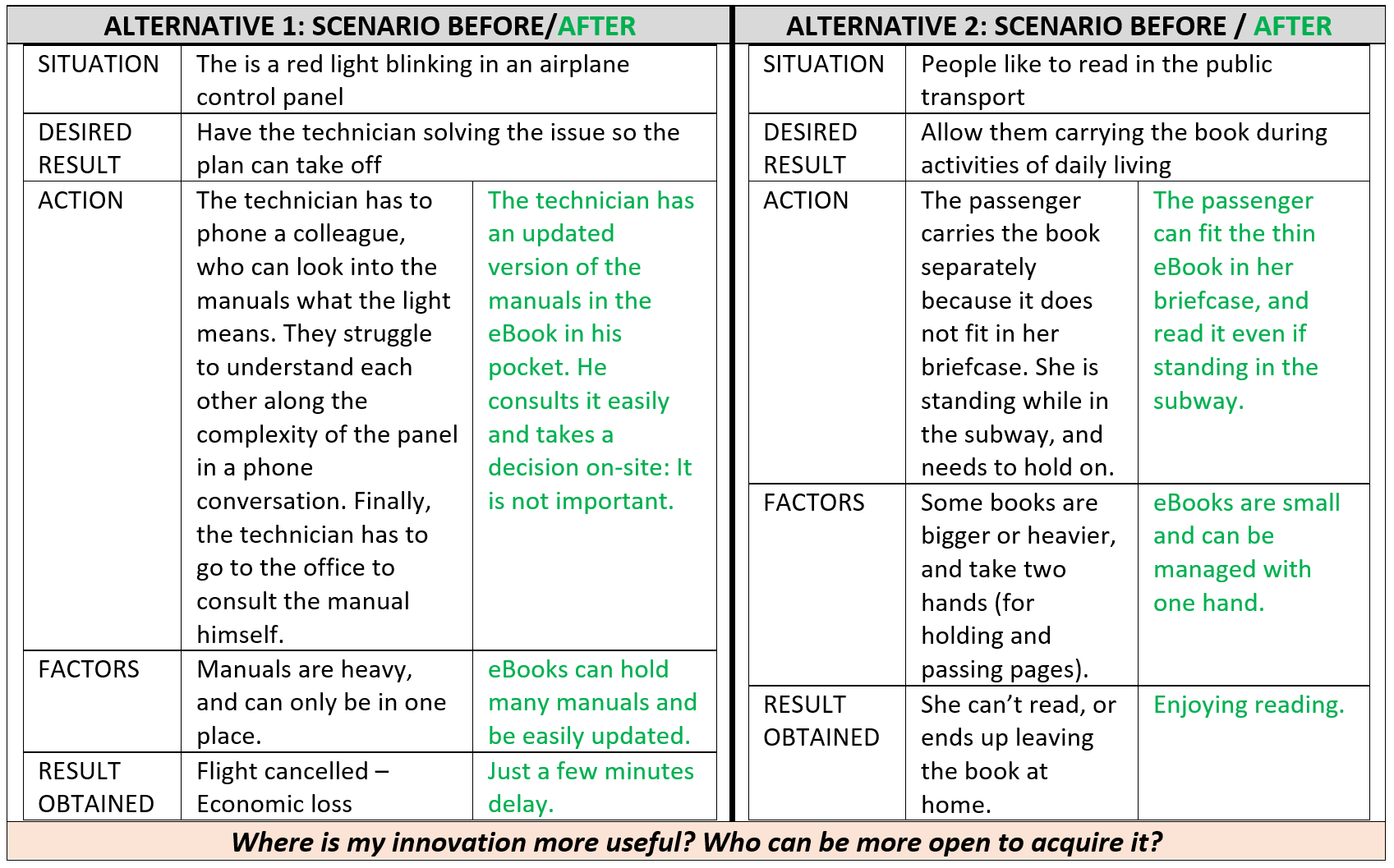
Building scenarios can be very helpful for this purpose! Here are 2 examples:
C. STRUCTURING THE PROCESS
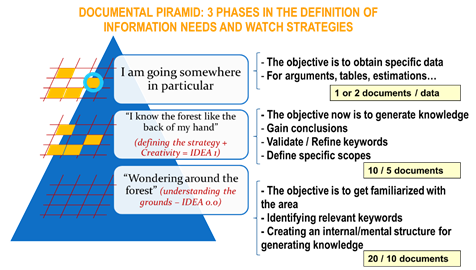
So that we make more with less, advancing towards results (some results from our decision will come for sure… it is better if we think first which ones would we like to have). The following example shows how we structure technology watch processes when starting to work into a new R&I project in an area we are not experts at: